

Navigating airport transit efficiently can transform a potentially stressful travel experience into a smooth and seamless journey. Airports often provide a variety of transportation options, including shuttles, trains, buses, taxis, and ride-share services, each with its own advantages and limitations. Understanding these options and planning allows travelers to save time, reduce costs, and minimize stress. By strategically choosing transit methods based on schedules, accessibility, and convenience, passengers can optimize their airport experience from arrival to departure.
Understanding Available Transit Choices
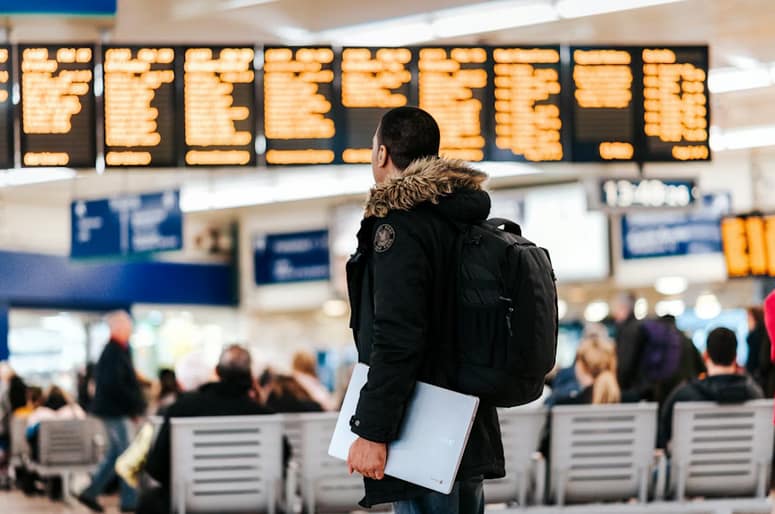
The first step to making the most of airport transit is familiarizing oneself with the available options. Major airports typically provide internal shuttles connecting terminals, public transportation links to city centers, and private services such as taxis or ride-share pickups. Some airports also have dedicated train or metro stations, offering fast and reliable access to surrounding areas. Knowing what is available ahead of time helps travelers select the most suitable mode of transport based on budget, luggage requirements, and travel time, ensuring a smoother transition between the airport and final destination.
Planning Around Schedules
Transit efficiency is often determined by timing. Public transportation and shuttle services operate on set schedules, and delays or missed connections can cause unnecessary stress. Checking timetables in advance and accounting for potential wait times helps travelers avoid last-minute rushes. For flights arriving late at night or during peak hours, alternative options such as taxis or ride-share services may provide more reliable access. Strategic planning ensures that travelers can move quickly between terminals or reach their destinations without unnecessary waiting.
Considering Cost and Convenience

Budget and convenience are key factors in selecting airport transit. Public buses or trains are often the most economical options, while taxis and ride-sharing services offer more direct, personalized routes. Some travelers may find shared shuttles a balanced choice, offering moderate pricing and minimal transfers. Evaluating costs alongside convenience allows passengers to choose a transit method that aligns with their priorities, whether that is minimizing costs, travel time, or the effort of handling luggage.
Using Technology to Streamline Travel
Mobile applications and online resources enhance the effectiveness of airport transit planning. Many apps provide real-time tracking of buses, trains, and shuttles, allowing travelers to adjust their plans according to delays or service updates. Ride-share platforms offer estimated arrival times and fare information, while airport apps may provide terminal maps and transit guidance. Leveraging technology reduces uncertainty, helps coordinate transfers, and improves overall efficiency when navigating complex airport systems.
Preparing for Connections and Transfers

Airports often require travelers to transfer between terminals or between different modes of transit. Preparing in advance by familiarizing oneself with maps, signage, and walking routes reduces confusion. Travelers should account for security checks, boarding gates, and luggage handling when planning connections. Efficient transfer strategies, such as knowing shuttle pickup points or designated ride-share areas, prevent delays and make the journey more predictable. Anticipating transit logistics ensures that passengers maintain control over their schedule and experience less stress.
Maximizing airport transit options involves understanding available transportation methods, planning around schedules, balancing cost and convenience, using technology effectively, and preparing for transfers. Thoughtful planning and informed decision-making help travelers navigate airports more efficiently, reducing stress and uncertainty. By making the most of transit services, passengers can turn potentially challenging airport experiences into organized, streamlined journeys, ensuring a more enjoyable start or end to their travel.
…